
Back In Action Physiotherapy

19 Years
in Business

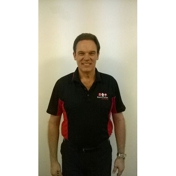

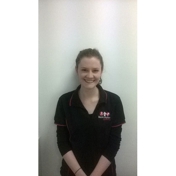
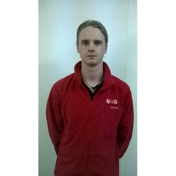





Expect experience, care and skill and a program tailored to your individual needs when you visit Back In Action Physiotherapy.
Dallas has more than 30 Year experience as a Physiotherapist and has post-graduate qualifications as and Orthopaedic Manipulative Therapist and is a member of the International Federation of Orthopaedic Manipulative Therapists.
Musculoskeletal Physiotherapy- This involves the diagnosis, treatment and prevention of muscle and joint problems, including lower back and neck pain, shoulder, upper limb, hip, know and ankle pain. Sports Physiotherapy- The experience and knowledge of the latest evidence-based practice, assessment and diagnosis of sports injuries, and use of 'hands on' management techniques to assist recovery and prevent injury. APPI Pilates -The latest Pilates Matwork and Equipment exercises for all levels.
Our Services Include:Pilates Matwork and Equipment based instruction and Programs Neck and Back Pain Joint and Muscle Injuries Sports Injuries Dizziness/Vertigo Headache Work-Related Conditions Whiplash Rehabilitation and Surgery What You Can Expect From Us:We will listen to your concerns and make a thorough assessment Purpose a plan of treatment and management Treat underlying problem Recommend how to assist recovery Liaise with your doctor or other health practitioner
We specialise in diagnosing and treating acute and chronic conditions. We provide appropriate, individualised exercise programs. We have added Pilates Matwork and Equipment based exercises to our list of services. Pilates exercises are suitable for ALLfitnesslevels and programs can be customised for everyone from the beginner to elite level athletes and dancers. Pilates exercises are especially beneficial in restrengthening an injured worker and helping to reduce the risk of re-injury.
 DVA Medicare ApprovedB.App.Sc (Physio) Dip.Teaching (PhysEd) A.P.A.M. - Dallas Wilson.
Previously at The Dapto Medical Centre Physiotherapy
I see you are a physiotherapist and have a degree in Manipulative Therapy. What extra does that give you?
A Manipulative Therapist is able to safely and effectively manipulate a joint when or if required. This is only done where a standard mobilising technique is insufficient.
What is the difference between a Physiotherapist and an Exercise Physiologist?
A Physiotherapist is a Registered Health Provider & a Primary contact practitioner, therefore, a referral is not required, as a Physiotherapist is able to diagnose & treat your injuries & health problems, as well as prescribe all levels of exercise programs. An Exercise Physiologist is not a Registered Health Provider; therefore a referral is required for all clients other than private patients. An Exercise Physiologist is able to provide & supervise an exercise plan after diagnosis.
I have a Scoliosis. What can physiotherapy do to improve my condition?
A scoliosis may occur because of leg length difference. By appropriately managing the length difference and the prescribed exercises the effect of the scoliosis can be overcome. Postural correction, exercises and adjustments to tasks are typically effective for management of scoliosis whenever it is not structural.
How long does a session last?
An initial session generally last around an hour with follow up sessions generally lasting around 45 minutes.
Is it a good idea to be assessed before commencing an exercise program at a gym or personal trainer?
Definitely. Potential problems which would not other wise be picked up on can be identified and corrected minimising the risk of a serious injury.
I spend a lot of time in front of a computer, what can I do to minimise problems and pain?
Generally the problems are created from prolonged postures and inadequate strength. This is true for headaches, neck and shoulder pain, back and hip pain or problems in the legs and ankles. Stretching alone is inadequate and the right exercises need to be graded and progressed to fix the problem.
Do I need a Doctor's referral?
No. Unless you are attending under a work cover or CTP certificate claim a referral is not necessary. Physiotherapists are primary diagnosticians and are muscle, bone and joint specialists who are able to diagnose and treat a wide range of issues and problems.
I'm hitting middle age. How can I minimise the effects of ageing to ensure I can maintain an active lifestyle?
Not everybody has the time or interest to work out in a gym, nor do you need to. With the provision of an appropriately graded and progressed exercise program given by your physiotherapist you can restore your strength and fitness to the levels required to remain active in the sports or recreation you choose.
Are growing pains real? Can anything be done?
Usually these pains result from the rate of growth between bones and muscle development not keeping pace. This can be further exaggerated by the child's sporty activities or efforts to participate. When the specific problems are identified treatment will involve appropriate stretches and strengthening exercises and possible taping.
As I am getting older my legs are getting stiffer and weaker. Can I do anything to minimise pain and loss of strength?
Yes. Generally the problems relate top more sedentary jobs and less time given to appropriate exercises. As the muscles lose strength and condition it can affect daily living tasks and stiffness and weakness and also unsteadiness can occur. With the right type and grading of exercises this situation can be improved and managed.
How can I contact Back In Action Physiotherapy by phone?
You can contact Back In Action Physiotherapy on (02) 4862 4414.
Where is Back In Action Physiotherapy located?
Back In Action Physiotherapy is located at Shop 7 5 Boolwey Street, Bowral, NSW 2576.
How can I email Back In Action Physiotherapy?
You can email Back In Action Physiotherapy at [email protected].
Does Back In Action Physiotherapy have a website?
Yes. You can visit Back In Action Physiotherapy online at http://www.backinactionphysiotherapy.com.au.
What are the opening hours for Back In Action Physiotherapy?
The opening hours for Back In Action Physiotherapy are Mon - Thu: 8:30 am - 6:00 pm; Fri: 8:00 am - 5:00 pm.
What type of business is Back In Action Physiotherapy?
Back In Action Physiotherapy is listed under Physiotherapists.
What payment methods does Back In Action Physiotherapy accept?
Back In Action Physiotherapy accepts cheque, mastercard, visa, eft, cash.