
Eyecare Plus Gatton

26 Years
in Business

1 Year with
Yellow Pages

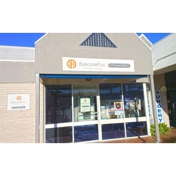
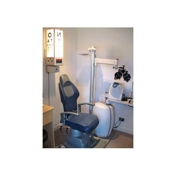
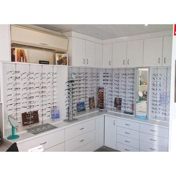

Eyecare Plus is a select group of clinically driven professional optometry practices across Australia.
Eyecare Plus is a selected group of independently owned and clinically driven optometry practices across Australia. Together as independent optometrists, we offer the advantages of being part of a large optometric group, yet remain able to provide the personalised optometric service that our patients have come to expect.
Spectacles, including fashion frames Prescription sunglasses Contact lenses
Laser refractive surgery (Co-management) Vision training by muscular exercises Diagnosis and treatment of cataract, glaucoma, diabetic retinopathy and other conditions of the eye
Dedicated optical solutions for computer or other occupational demands Referral to an eye surgeon (ophthalmologist) for surgery or secondary medical care Total eye and vision care for the whole family
 BUPANIBMedibank Private
What are the signs of vision problems?
*Headaches, nausea or dizziness after visual concentration, *Blurred or double vision at any time, *Crossed or turned eyes, *Blinking or eye rubbing after visual concentration, *Dislike or avoidance of close work, *Short attention span, *Placing head close to book when reading or writing, *Frowning while looking at the TV or blackboard, *Difficulty reading small print, *Difficulty adjusting focus between near and far objects.
What is the process of a Vision Information Processing assessment?
A 'Pre-therapy survey' must be completed to ensure all your child's visual concerns are identified. The Vision Information Processing assessment includes many standardised tests to assess exactly which visual skills a child may be struggling with. The assessment take 90 minutes. A separate appointment with the parent to discuss assessment results and a comprehensive report will be provided.
What is Dry Eye?
Dry eye syndrome is a lack of sufficient lubrication and moisture in the eye leaving the cornea (the main lens of the eye) with an inadequate tear film. This occurs when the eye doesn't produce enough tears, or the tears have a chemical composition that causes them to evaporate too quickly.
What is "normal" in my vision?
It is normal for most eyes to be long-sighted at birth. This usually reduces as the eye grows to full adult size during adolescence. It is then in the teens that short-sightedness tends to develop, if at all. After a relatively stable time in the 20's and 30's another significant time for change begins in the 40's. This involves a gradual loss in the ability to focus the lens inside the eye. The result is a totally normal and expected change called "presbyopia", which continues into the 60's
What is Developmental Vision Therapy?
Just like binocular skills, poorly developed perceptual skills can be trained to a higher level of efficiency and stamina. Developmental vision therapy uses one-on-one sessions to train children to improve their cognitive visual abilities. This helps them to interpret and organise the information they see, thus attributing meaning to perceived shapes and forms.
What is Orthoptics?
Orthoptics refers to 'straightening of the eyes' and was originally developed back in the 1930s. The orthoptic health care profession evolved and specialised as scientific development increased in the diagnosis, management and pre/post-surgical care of patients with strabimus, binocular vision abnormalities and specific pediatric disorders. Orthoptists study a post-graduate 2 year degree at the University of Sydney.
What is Perceptual Vision?
Perceptual vision is a visual skill that helps children interpret and accurately process in their brain what their eyes are seeing. These skills are necessary once children are ready to learn to read. Children with functional vision problems such as strabismus and amblyopia are may also experience perceptual vision difficulties.
What Are the Symptoms?
Symptoms can include persistent dryness, scratching, redness, burning and sometimes excessive watering as the tears produced fail to wet the cornea properly. Dry eyes are typically worse in the evening. You may have Dry Eye if you are experiencing: Sore, gritty eyes Itchy or irritated eyes Inflamed eyelids Faintly diffuse red eyes The urge to blink hard frequently Constantly runny eyes
What is the process for orthoptic eye therapy?
To see an therapist (orthoptist), patients will need a referral from either an optometrist or eye specialist. A 'Pre-therapy questionnaire' must be first becompleted to ensure all your visual needs are identified and addressed. After your initial assessment, your orthoptist may recommend: corrective lenses/prisms, eye therapy or an additional perceptual vision assessment to see if other vision problems are also affecting their learning.
How often should I have my eyes examined?
Your optometrist will advise you of the interval between your full eye & vision examinations which is appropriate for your vision and eye health needs. This time interval does vary for different situations, so we contact our patients when their next routine check is due. Changes in vision and eye health are often quite slow and subtle, and can easily go unnoticed if not checked regularly. Of course if a problem arises sooner, please make an appointment so that we can assess the situation.
How can I contact Eyecare Plus Gatton by phone?
You can contact Eyecare Plus Gatton on (03) 9961 1540.
Where is Eyecare Plus Gatton located?
Eyecare Plus Gatton is located at 24 William Street, Gatton, QLD 4343.
How can I email Eyecare Plus Gatton?
You can email Eyecare Plus Gatton at [email protected].
Does Eyecare Plus Gatton have a website?
Yes. You can visit Eyecare Plus Gatton online at https://www.eyecareplus.com.au.
What are the opening hours for Eyecare Plus Gatton?
The opening hours for Eyecare Plus Gatton are Mon - Sat: 9:00 am - 5:30 pm.
What type of business is Eyecare Plus Gatton?
Eyecare Plus Gatton is listed under Optometrists.
What payment methods does Eyecare Plus Gatton accept?
Eyecare Plus Gatton accepts amex, cash, mastercard, visa, eft, cheque.
Is Eyecare Plus Gatton on social media?
Yes. You can follow Eyecare Plus Gatton on Facebook.
Is Eyecare Plus Gatton locally owned?
Yes. Eyecare Plus Gatton is a locally owned business.