

Easy Dig Pty Ltd

31 Years
in Business

1 Year with
Yellow Pages

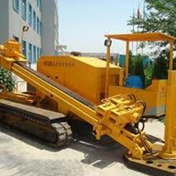
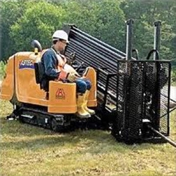
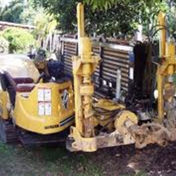
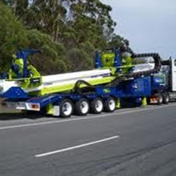
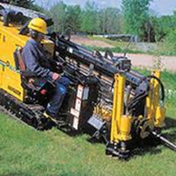
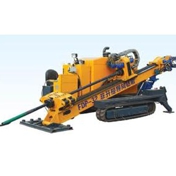

Easy Dig provides underground service installations using a complete range of trenchless and conventional construction techniques
Easy Dig Pty Ltd, based in New South Wales, specialises in Horizontal Directional Drilling (HDD) for the installation of gas, power, and water utilities. With years of experience, we deliver efficient, reliable, and cost-effective solutions while prioritizing safety and minimal disruption. Our expert team ensures high-quality results, completed on time and within budget. Let Easy Dig make your underground utility installation simple and hassle-free.
Trenchless (Horizontal Directional Drilling – HDD) and traditional trenching methods of conduit, pipe and fittings installations for all under ground services, including electrical, communications, water, storm water, grey water, re-use water, sewer, gas and irrigation. Project Management Civil works, bulk earthworks, structure and concrete works Design and construction of water, sewer, re-use pipelines communication/electrical networks Directional drill from 25mm up to 1000mm in diameter
Rock drilling and excavations Deep hole excavations Underground service locations and hydro excavation (Potholing) Vac Truck Hydro Excavation and liquid and solid waste removal Consultants for Pipeline/Network Design Pit and manhole installations Manhole construction pre-cast and institute Project Design Communications/Water/Sewer/Electrical Utilising the latest directional drilling technology, we specialise in laying an extensive variety of conduits, polyethylene and steel
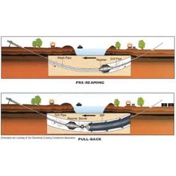
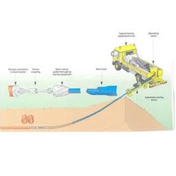
No trenches No traffic disruptions No landscape violation No reinstatement costs No obstacles Big saving on manpower, time and costs Social cost savingsDirectional Drilling, a process of installing underground services without trenching is an efficient and professional method widely used in many developed and developing countries. Proven to be faster, more cost effective and definitely less disruptive to surface activities.
Do you need to drill a new well or can you use an existing one?
A new well is not always necessary. Many techniques are available to use existing vertical wells and exit through the casing. Depending on the completion techniques required, the costs for using existing wells compared to new wells, will generally favour existing well utilization. However, geologic considerations and current reservoir data collection opportunities must be weighed carefully with any potential cost savings.
What kind of rig is necessary for horizontal drilling?
When new wells are planned to be drilled horizontal, the drilling rig is usually employed to drill both the vertical and horizontal portions of the wells. However, depending on the equipment requirements for the curve and lateral sections, a smaller (less costly) work over rig may be moved in after the drilling rig has completed the vertical section.
Will an open hole provide a satisfactory completion technique?
This is determined by understanding the long-term borehole stability issue associated with the candidate reservoir. This issue is critical in determining the answer to open hole completions versus installing casing or liners in the curve or lateral sections.
How can your drilling and completion operation minimize formation damage?
Overbalanced, poorly designed and maintained drilling fluids will cause excessive formation damage. The lower the bottom hole pressure (BHP) of the target reservoir, the more difficult it is to mediate any damage caused from the drilling and completion process. Underbalanced drilling, when properly conducted, will help to minimize formation damage reducing or eliminating remedial action required to restore well bore productivity.
Why should I consider horizontal drilling for my reservoirs?
Maximize hydrocarbon recovery rates and project economics Spread out the pressure drop across a longer interval of wellbore minimizing water coning Repenetrate a reservoir to get away from historical water coning and recover reserves that would otherwise be stranded Take advantage of horizontal well geometry for secondary recovery projects
If you choose to drill underbalanced, can you safely drill with air?
Air drilling oil and gas wells has been an accepted industry practice for over 60 years. Grand Directions has been drilling with an air/foam-mist system for the last three years with no safety problems.
How do I choose which horizontal drilling system is appropriate for my reservoir?
An engineering assessment of the completion techniques necessary to economically recover the reserves will largely determine if the horizontal well can be an open hole completion or will require tubulars placed in the curve and/or in the horizontal sections. The critical issue is wellbore stability and the need for zonal isolation to construct a low maintenance, long life completion.
What are the costs associated with directional drilling using various drilling systems?
Based on studies of over 25,000 horizontal wells world wide, an expert has recognized key relationships between horizontal and vertical well costs. One third of horizontal wells are not economic successes When the cost ratio for a proposed horizontal well approaches or exceeds 2.5 to 3.0 times the cost of a vertical well in the same field, the chances for an economic success are greatly reduced
How do I determine which of my reservoirs are valid horizontal drilling candidates?
Collect sufficient reservoir and production data to be able to build a computer model of the reservoir. Perform history matching to gain confidence on the simulation results. Predict the production effects of various horizontal completions options to determine the most reasonable approach to applying horizontal wells to accelerate reserve recovery.
How can I contact Easy Dig Pty Ltd by phone?
You can contact Easy Dig Pty Ltd on (02) 8607 8092.
Where is Easy Dig Pty Ltd located?
Easy Dig Pty Ltd is located at 291 Boundary Road, Maraylya, NSW 2765.
How can I email Easy Dig Pty Ltd?
You can email Easy Dig Pty Ltd at [email protected].
What are the opening hours for Easy Dig Pty Ltd?
The opening hours for Easy Dig Pty Ltd are Mon - Sat: 8:00 am - 5:00 pm.
What type of business is Easy Dig Pty Ltd?
Easy Dig Pty Ltd is listed under Drilling & Boring Contractors.
Can I request a quote from Easy Dig Pty Ltd?
Yes. You can request a quote from Easy Dig Pty Ltd on this page.
Is Easy Dig Pty Ltd locally owned?
Yes. Easy Dig Pty Ltd is a locally owned business.